Introduction
Earth planet is our amazing home, the only planet we know that has life. It is full of animals, plants, people, and swirling oceans. From space, it looks like a perfect blue and green marble with white clouds dancing across it. Kids love learning about Earth because it is bright, colorful, and full of life. This simple guide shares easy Earth planet facts for kids, perfect for quizzes, school projects, or just daydreaming about space.
Earth from Space: A Beautiful View
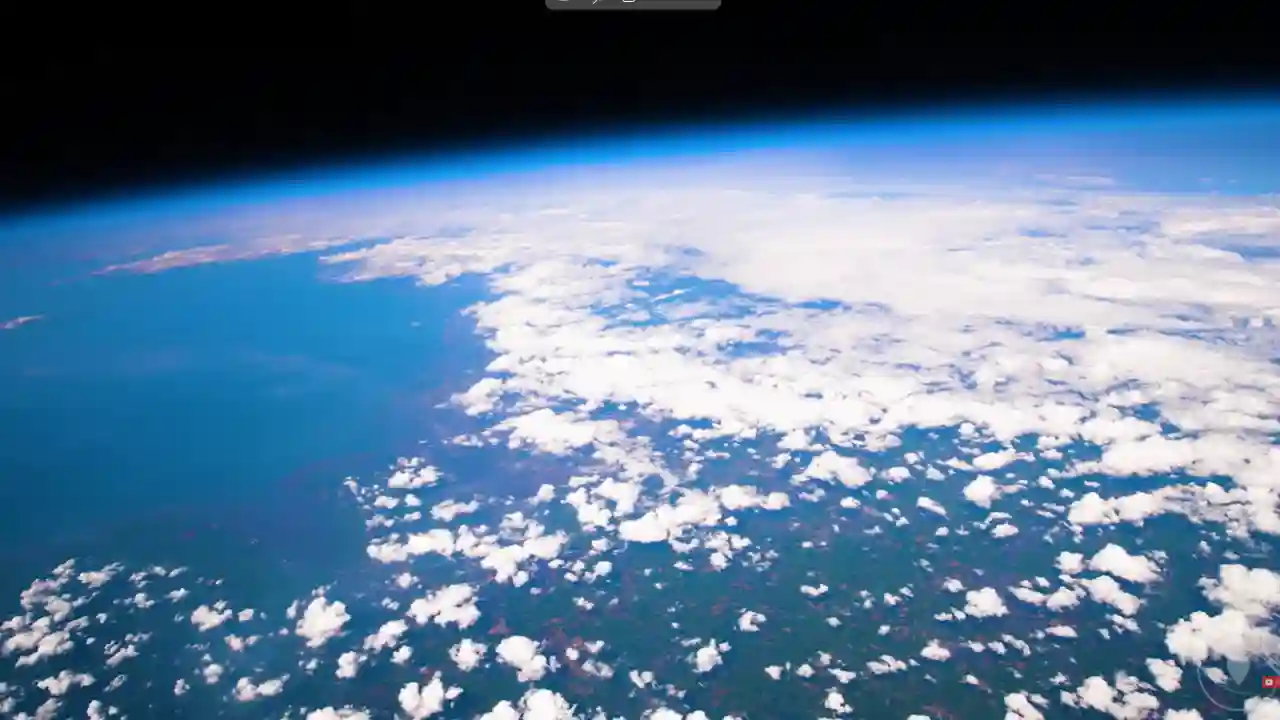
From space, Earth looks like a glowing blue ball. Most of the planet is water, making it shine in different shades of blue. Land is green and brown, while white clouds swirl above. At the poles, ice caps sparkle in the sunlight. Astronauts see cities shining at night like tiny stars, hurricanes spinning like giant pinwheels, and the green and red lights of auroras near the poles.
From the Moon or International Space Station, Earth looks like one big connected world. No borders are visible, just oceans, mountains, deserts, and forests. Seeing Earth from far away helps kids understand how special and fragile our planet is.

Earth Planet Facts That Wow Kids
Earth has the perfect size for life. It is not too big or too small. Its diameter is about 12,742 kilometers, making it just right to hold air and water with gravity. One spin of Earth makes a day, and it takes one year to orbit the Sun—365 days plus one leap day every four years.
Earth formed 4.5 billion years ago from dust and gas in the solar system. It cooled into a molten ball, forming oceans and atmosphere. Over time, plants, animals, and humans evolved, making it the only planet we know with life. Volcanoes, rivers, and earthquakes continue to shape the land.
The Colors of Earth: Blue, Green, Brown, and White
Earth is called the “Blue Planet” because water covers 71% of its surface. Oceans range from turquoise near beaches to dark blue in deep trenches. Green areas are forests and grasslands that make oxygen. Deserts appear brown or yellow, while white ice caps sit at the North and South Poles.
Clouds swirl above land and water like cotton candy. Sunrises and sunsets make the sky orange, pink, and purple. Seasons change colors too—autumn leaves turn red and gold, and spring grows fresh green leaves. Even at night, city lights glow, showing humans live all over the planet.
Earth Planet Distance from the Sun: Our Perfect Spot
Earth is 149.6 million kilometers from the Sun, which is called 1 Astronomical Unit (AU). This distance is perfect—not too hot, not too cold. Earth is in the “Goldilocks Zone,” where life can exist.
The planet’s orbit is slightly oval. It comes closest to the Sun in January (147 million km) and farthest in July (152 million km). Light from the Sun takes 8 minutes to reach us. This orbit, combined with Earth’s 23.5-degree tilt, creates four seasons: spring, summer, autumn, and winter.
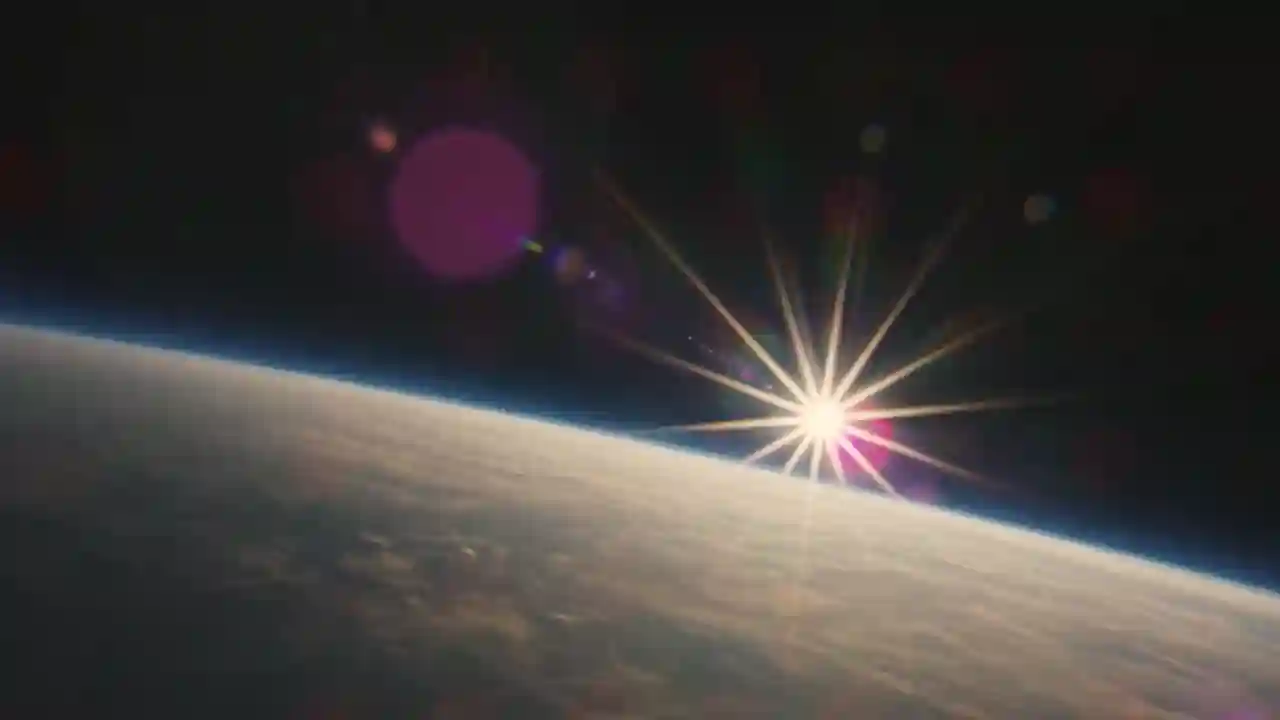
Earth’s Atmosphere: Our Protective Blanket
Earth’s atmosphere is like layers of a giant blanket that protect life.
Troposphere (0-12 km): Where weather happens, clouds form, and planes fly.
Stratosphere (12-50 km): Houses the ozone layer, which blocks harmful UV rays.
Mesosphere (50-85 km): Meteors burn up here as shooting stars.
Thermosphere (85-600 km): Auroras glow from solar wind particles.
Exosphere (600+ km): The edge of space where air fades away.
Air is made of 78% nitrogen, 21% oxygen, and tiny amounts of other gases. Without it, life would not exist, and Earth would be like the Moon or Mars—cold and lifeless.
Earth’s Oceans and Climate: Life-Giving Water
Earth’s oceans cover 361 million square kilometers. The Pacific is the largest, almost half the planet’s water. Oceans absorb heat from the Sun, creating currents that move warm water around the world. These currents affect climate and weather patterns.
Earth has different climate zones: tropical (hot), temperate (mild), and polar (cold). Water from oceans, lakes, and rivers supports plants, animals, and humans. Too much greenhouse gas can heat the planet, causing extreme weather. Oceans act as Earth’s lungs and heart, moving water and heat around.
Earth’s Magnetic Field: Our Invisible Shield
Earth has a magnetic field that protects life. It comes from the spinning liquid iron core deep below the surface. The field traps harmful solar particles, creating auroras near the poles. Compasses follow magnetic field lines, helping humans navigate. Without it, Earth would lose air, water, and life.
Earth’s Land and Natural Wonders
Earth has mountains, rivers, deserts, and forests. Plate tectonics push continents together and apart, forming mountain ranges like the Himalayas. Volcanoes build new land, while rivers carve valleys and canyons. Forests, grasslands, and wetlands provide homes for countless animals.
From space, Earth looks alive because water flows, clouds move, and storms form. Kids can explore Earth through maps, globes, and even hiking in nature.
Day, Night, and Seasons
Earth spins once every 24 hours, giving day and night. The tilt of 23.5 degrees creates seasons. Summer happens when a hemisphere tilts toward the Sun, and winter occurs when it tilts away. Equators have almost the same temperature year-round, while poles experience long, cold winters and bright summer days.
The Moon also affects Earth, creating tides that shape oceans and coastal life.
Life on Earth
Earth is home to humans, animals, and plants. Life started in oceans billions of years ago. Humans have built cities, farms, and technology while exploring the planet. Space missions give us pictures of Earth from orbit, showing how fragile and beautiful it is.
People can help protect Earth by planting trees, recycling, and reducing pollution. Every action keeps our planet safe and clean.
- Fun Activities to Learn About Earth
- Build a mini volcano with baking soda and vinegar.
- Make a water cycle jar to see evaporation and rain.
- Spin a globe to learn about day and night.
- Track the Moon and stars with apps or binoculars.
- Draw Earth from space with its blue oceans and green lands.
Conclusion
Earth planet facts for kids show us that our home is unique, colorful, and full of life. From space, it looks like a sparkling blue and green marble. Its oceans, atmosphere, and magnetic field protect life. Mountains, rivers, forests, and deserts make it beautiful and interesting. Our orbit keeps temperatures perfect, and seasons create variety. Earth is alive, precious, and worth protecting. Kids can explore, draw, and imagine adventures on our amazing planet.
10 FAQs on Earth Planet Facts for Kids
Q: What does Earth look like from space?
A: A blue marble with green lands, white clouds, and icy poles swirling together.
Q: What color is Earth planet?
A: Mostly blue oceans, green forests, brown deserts, and white ice and clouds.
Q: How far is Earth planet from the Sun?
A: 149.6 million km on average; light takes 8 minutes to reach Earth.
Q: What are Earth’s atmosphere layers?
A: Troposphere (weather), stratosphere (ozone), mesosphere (meteors), thermosphere (auroras), exosphere (space edge).
Q: Why do we have Earth’s magnetic field?
A: The spinning liquid iron core creates a shield blocking solar radiation.
Q: How much of Earth is ocean?
A: 71%, which drives climate, weather, and life.
Q: What makes Earth perfect for life?
A: Right distance from Sun, water, air, and magnetic protection.
Q: How does Earth’s climate work?
A: Oceans store heat, the atmosphere traps warmth, and tilt gives seasons.
Q: How old is Earth planet?
A: About 4.5 billion years, spinning once daily and orbiting the Sun yearly.
Q: Why should we protect Earth?
A: From space, it shows one fragile, connected world full of life.