Introduction:
Uranus Facts for Kids | Ice Giant, Rings, Moons & Cool Discoveries
Uranus facts for kids uncover one of the weirdest and most mysterious planets in our solar system. This blue-green ice giant rolls on its side, spins in a strange way, and hides faint rings and icy moons. From its extreme tilt to its chilly temperatures, Uranus is a world full of surprises. This guide shares simple Uranus planet facts for kids, making learning about space fun and easy, just like playing your favorite quiz game.
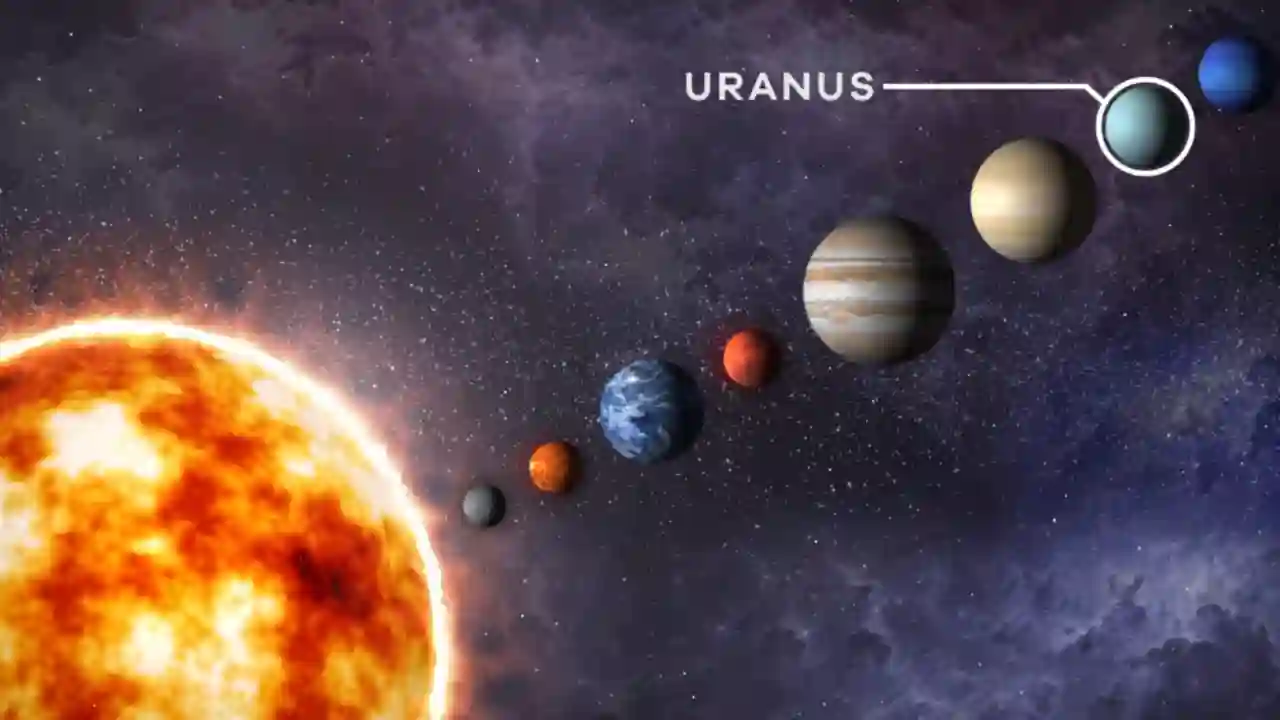
What Makes Uranus an Ice Giant?
Uranus is called an ice giant because it is mostly made of frozen materials like water, ammonia, and methane deep inside, with layers of hydrogen and helium gases on top. Unlike rocky planets such as Earth or Mars, or gas giants like Jupiter, Uranus formed far from the Sun where it was cold enough for these ices to stick together.
Size: Uranus is about four times wider than Earth. You could fit 63 Earths inside Uranus.
Temperature: Uranus is the coldest planet in the solar system, averaging -224°C, which is even colder than Pluto.
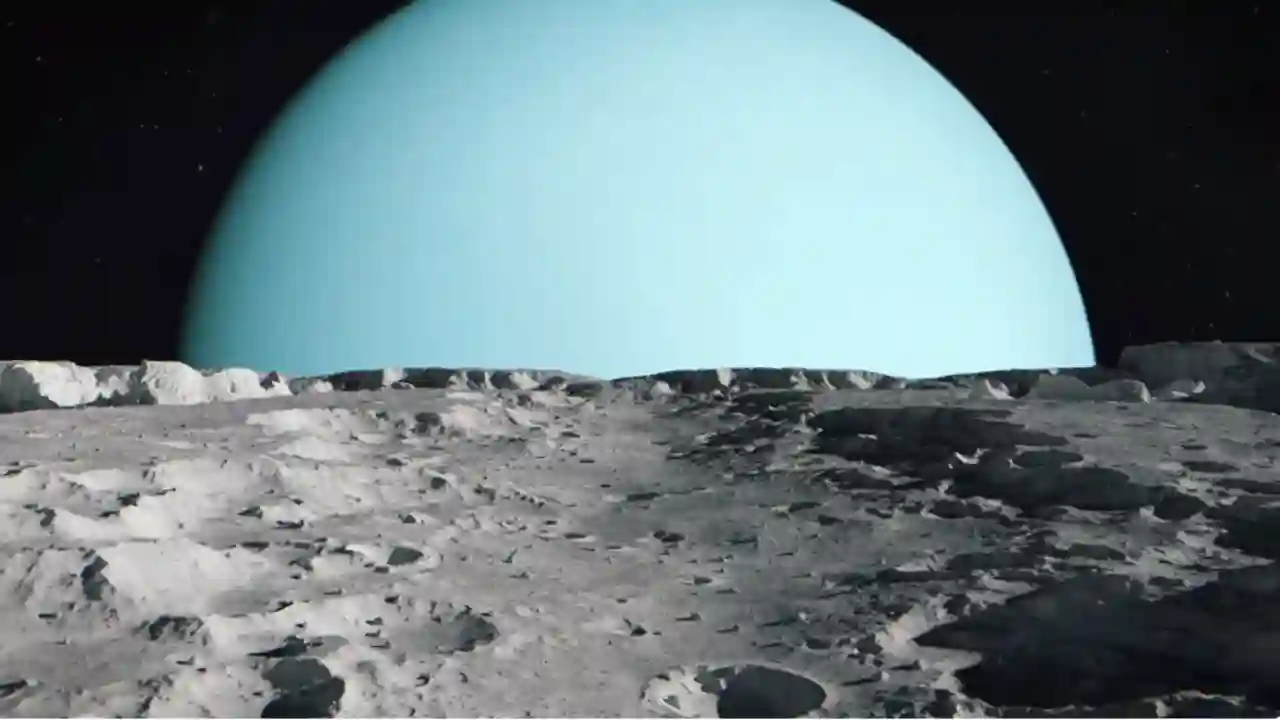
Color: Its blue-green color comes from methane gas, which absorbs red light and reflects blue and green.
Kids can imagine Uranus as a huge icy ball floating in space, spinning slowly with no solid surface to walk on—if you tried, you would sink into layers of icy slush.
Uranus Axial Tilt Explained
Uranus has the strangest tilt of all the planets: 98 degrees, meaning it practically rolls on its side as it orbits the Sun. Scientists think this tilt happened billions of years ago when a huge object, possibly the size of Earth, collided with Uranus.
- Day length: 17 hours
- Year length: 84 Earth years
- Season length: About 21 Earth years per season
This sideways spin makes Uranus special: one pole points at the Sun for 42 Earth years of continuous daylight, then flips to 42 years of total darkness. Kids can imagine living on Uranus and experiencing a summer that lasts over two decades.
Uranus Rings and Moons
Uranus Rings
Uranus has 13 faint rings made of dark ice and rock particles. Unlike Saturn’s bright rings, Uranus’ rings are narrow, hard to see, and some appear blue or red due to tiny particles in them. The rings were first discovered in 1977 when astronomers noticed Uranus dimming as the rings passed in front of stars.
Uranus Moons
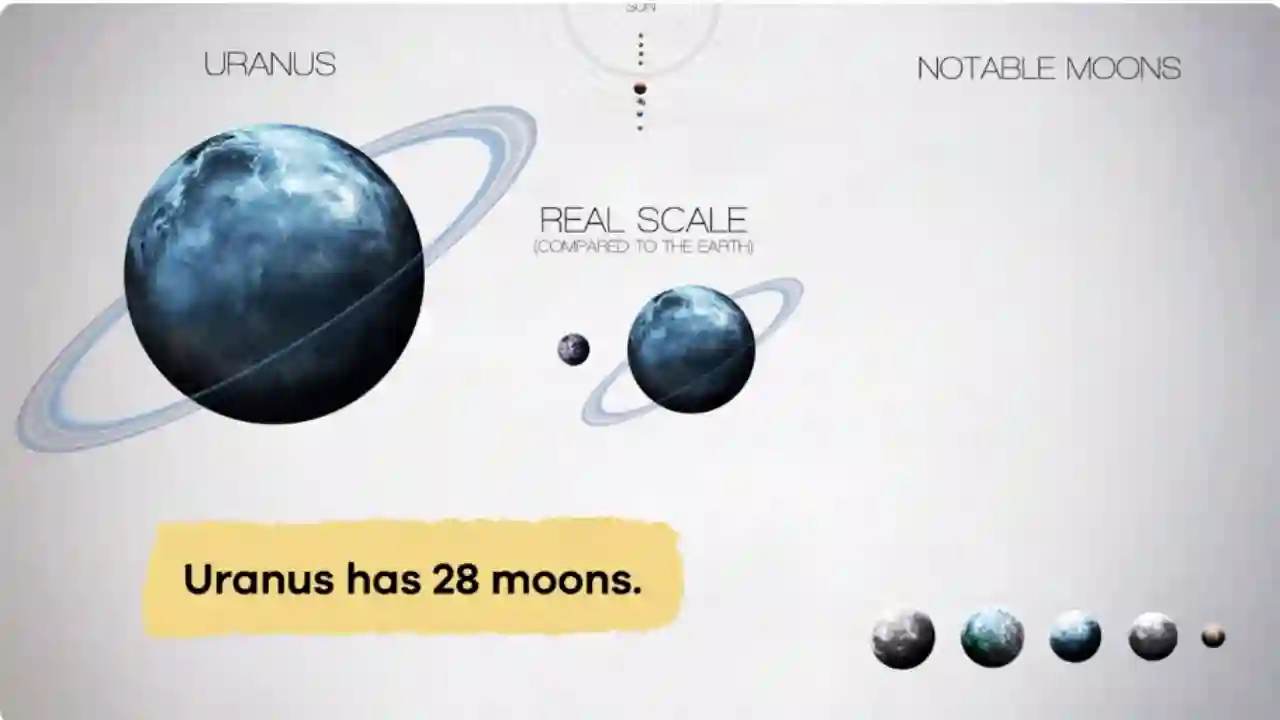
Uranus has 28 known moons, with some very interesting shapes:
- Titania and Oberon: Largest moons, icy and cratered.
- Umbriel: Dark surface, looks mysterious.
- Ariel: Bright, with signs of past geological activity.
- Miranda: Small but amazing, with cliffs taller than Mount Everest and patchwork terrains.
Many smaller moons act as shepherds, keeping Uranus’ rings in line. Some irregular moons may have been captured by Uranus’ gravity. Kids love imagining space adventures on these icy moons, jumping over cliffs and exploring craters.
Voyager 2 Flyby Discoveries
In 1986, Voyager 2 flew past Uranus at 96,000 km/h, sending back over 7,000 pictures and new data. The mission revealed:
- 10 new moons
- Uranus’ faint rings
- Tilted magnetic field, like the planet itself
- Icy surfaces and canyons on moons like Ariel and Miranda
Voyager 2 showed Uranus is quiet from afar but hides a lot of internal energy, with winds reaching 900 km/h and storms forming on the upper atmosphere.
Uranus Weather and Atmosphere
Uranus’ atmosphere is mostly hydrogen, helium, and methane. Methane gives it the blue-green color, and extreme winds create odd cloud formations.
Winds: Up to 900 km/h, some of the fastest in the solar system.
Storms: Clouds form in bands, sometimes creating bright spots that can be seen through telescopes.
Auroras: At Uranus’ poles, charged particles interact with the magnetic field, creating glowing lights similar to Earth’s Northern and Southern Lights.
Uranus Magnetic Field
Uranus’ magnetic field is unusual. Unlike Earth’s, it is tilted 59 degrees from the rotation axis and is off-center. This creates a magnetic environment that wobbles as the planet spins. The magnetic field traps particles, affecting Uranus’ rings and moons.
Viewing Uranus from Earth
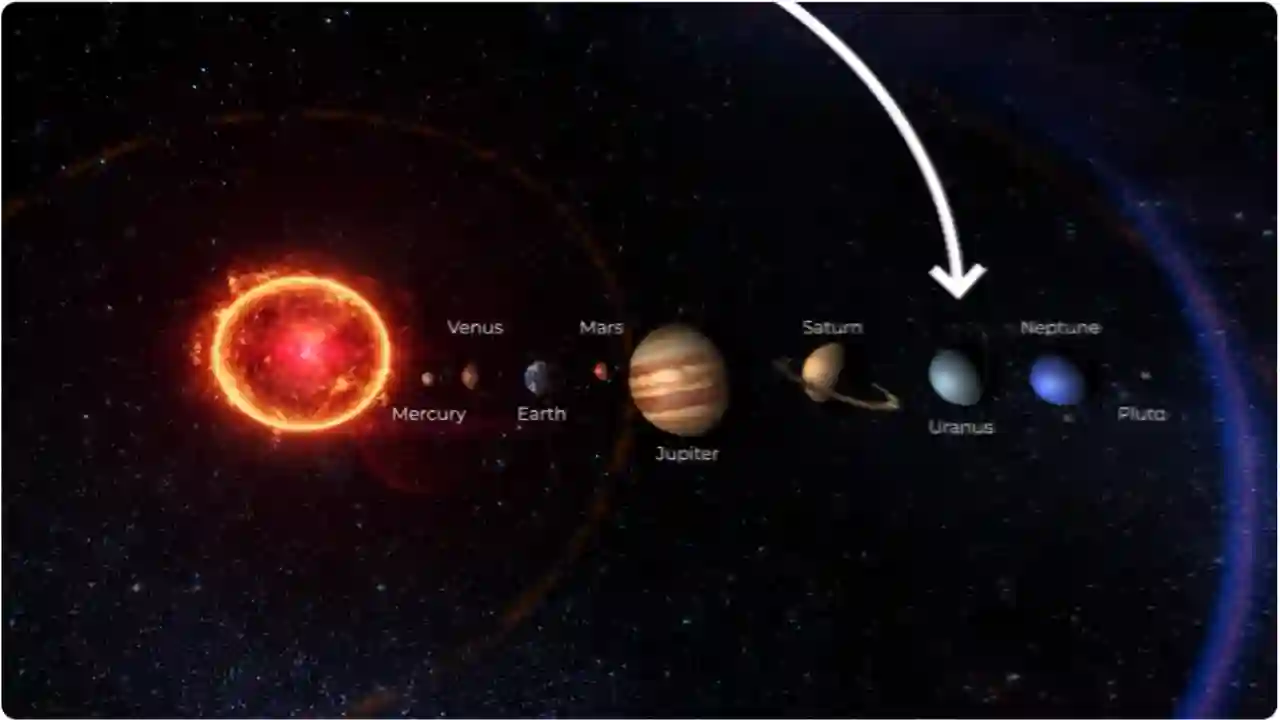
Uranus is far away, about 2.5 billion km from the Sun. Light takes 2.5 hours to reach us.
Visibility: It appears as a pale blue dot with binoculars or small telescopes.
Fun fact: It was the first planet discovered using a telescope in 1781 by William Herschel.
Kids can track Uranus in the night sky using apps or models, imagining its sideways tilt and icy moons.
Fun Uranus Facts for Kids
Uranus is the coldest planet in the solar system.
It rolls on its side instead of spinning upright.
Its rings are faint and hard to see.
It has 28 moons and counting, including Miranda with huge cliffs.
A day on Uranus lasts 17 hours, but a year lasts 84 Earth years.
Methane in the atmosphere makes it look blue-green.
Why Uranus Matters
Uranus facts for kids show how different planets can be. Its strange tilt, icy core, and moons teach scientists how planets form, how collisions shape worlds, and how ice giants behave in cold parts of the solar system. Exploring Uranus inspires future space missions and teaches young minds about physics, astronomy, and the wonders of distant worlds.
10+ FAQs on Uranus Facts for Kids
What color is Uranus?
Blue-green because of methane gas in the atmosphere.
Why is Uranus tilted?
Likely from a giant ancient collision billions of years ago.
What is an ice giant?
Planets like Uranus with icy mantles over rocky cores and hydrogen-helium atmospheres.
How many moons does Uranus have?
28 known moons, including Titania, Oberon, Ariel, Umbriel, and Miranda.
Does Uranus have rings?
Yes, 13 faint, dark rings made of ice and rock.
How cold is Uranus?
Around -224°C, the coldest in the solar system.
What did Voyager 2 find at Uranus?
Rings, new moons, a tilted magnetic field, and details about icy moons.
How long is a day on Uranus?
17 hours.
How long is a year on Uranus?
84 Earth years, with 42-year-long poles of daylight or darkness.
Can we see Uranus from Earth?
Yes, as a pale dot with a telescope or binoculars.
Why is Uranus called weird?
Because it rolls on its side, has tilted magnetic fields, and faint rings.
What is inside Uranus?
A rocky core, icy mantle, and hydrogen-helium atmosphere.
Conclusion
Uranus facts for kids reveal a sideways ice giant with a mysterious tilt, pale blue-green color, faint rings, and 28 fascinating moons. Voyager 2’s flyby opened the door to understanding this distant world, while Uranus continues to inspire young explorers. By learning about Uranus, kids can imagine strange space adventures, icy moons, and extreme planets, making it a perfect addition to your solar system quizzes.
Video & Image Credits:
This video and the images used in this article are taken from the YouTube video: Learn Bright – All rights belong to the original creator. Content is used for educational and informational purposes only.
Suggested Posts
Neptune Facts for Kids: Explore the Farthest Planet and Its Moons
Earth Planet Facts for Kids | Explore Our Blue and Green Home