Introduction
Neptune Facts for Kids | Moons, Rings, Storms & Fun Space Facts
Neptune facts for kids reveal one of the most mysterious and far-away planets in our solar system. Neptune, the eighth planet from the Sun, is a deep blue ice giant with very strong winds, faint rings, and 16 amazing moons. Kids love learning about Neptune because it is far, cold, and full of interesting secrets. This simple guide shares fun Neptune facts for kids in easy words, perfect for quizzes, projects, or just exploring space from home.
Why Neptune is Special
Neptune is the farthest planet from the Sun in our solar system. It is called an ice giant because most of it is made of icy water, ammonia, and methane gases. Unlike Earth or Mars, Neptune does not have a solid surface—you would sink if you tried to stand on it!
Neptune is very cold, with an average temperature of -218°C. Even though it is far from the Sun, it has strong winds that blow faster than on any other planet—up to 2,100 km/h. Well, Neptune is also deep blue because methane in its atmosphere absorbs red light and reflects blue light.
Neptune Distance from the Sun
Neptune is very far from Earth—about 4.5 billion kilometers away. That’s 30 times farther than the distance from the Earth to the Sun! Light from the Sun takes about 4 hours to reach Neptune, so it is a very distant world.
Because Neptune is so far, it is very faint and hard to see without a telescope. Even with binoculars, it looks like a small blue dot.
How Big is Neptune?
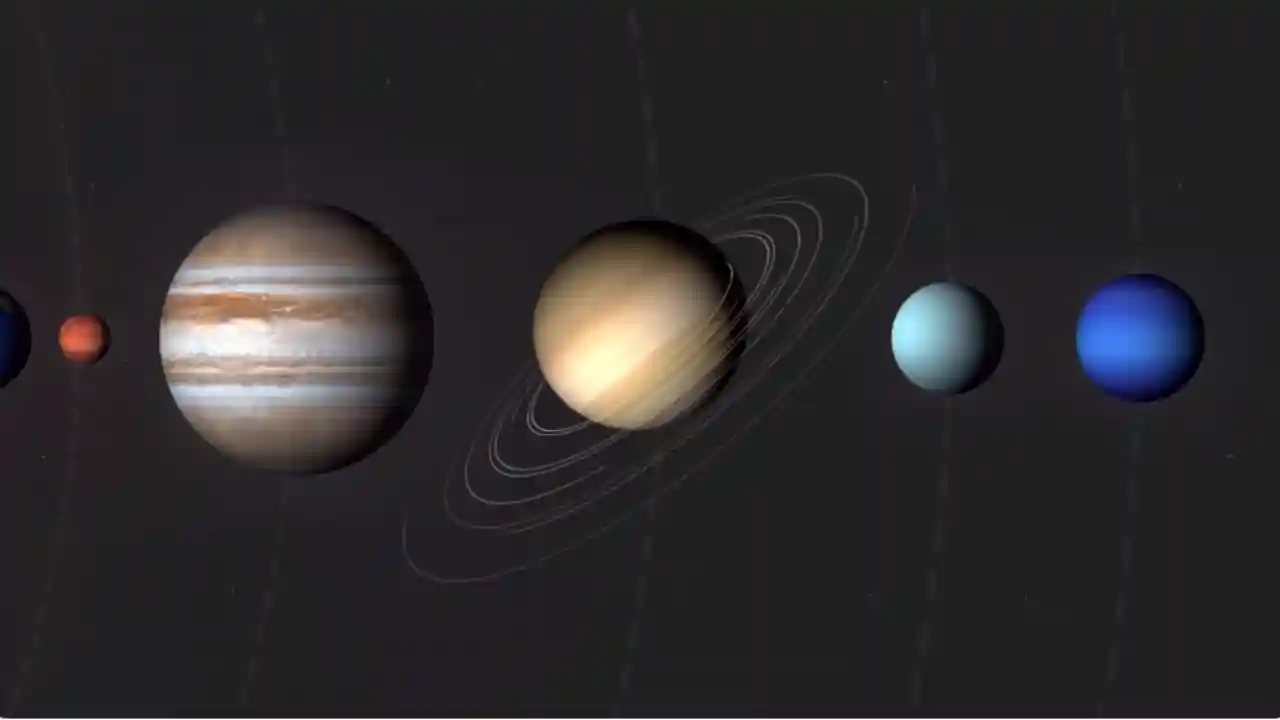
Neptune is the fourth largest planet by diameter in our solar system. It is about four times wider than Earth and 17 times heavier. Its size makes it a huge planet, but it is smaller than Jupiter, Saturn, and Uranus.
Neptune spins quickly on its axis. One day on Neptune lasts only 16 hours. A year on Neptune, however, lasts 165 Earth years! That means one Neptune year is longer than a lifetime for many generations.
Neptune Weather: The Strongest Winds in the Solar System
Neptune has the fastest winds in the solar system. Winds can reach up to 2,100 km/h. These winds form storms and clouds that move very fast.
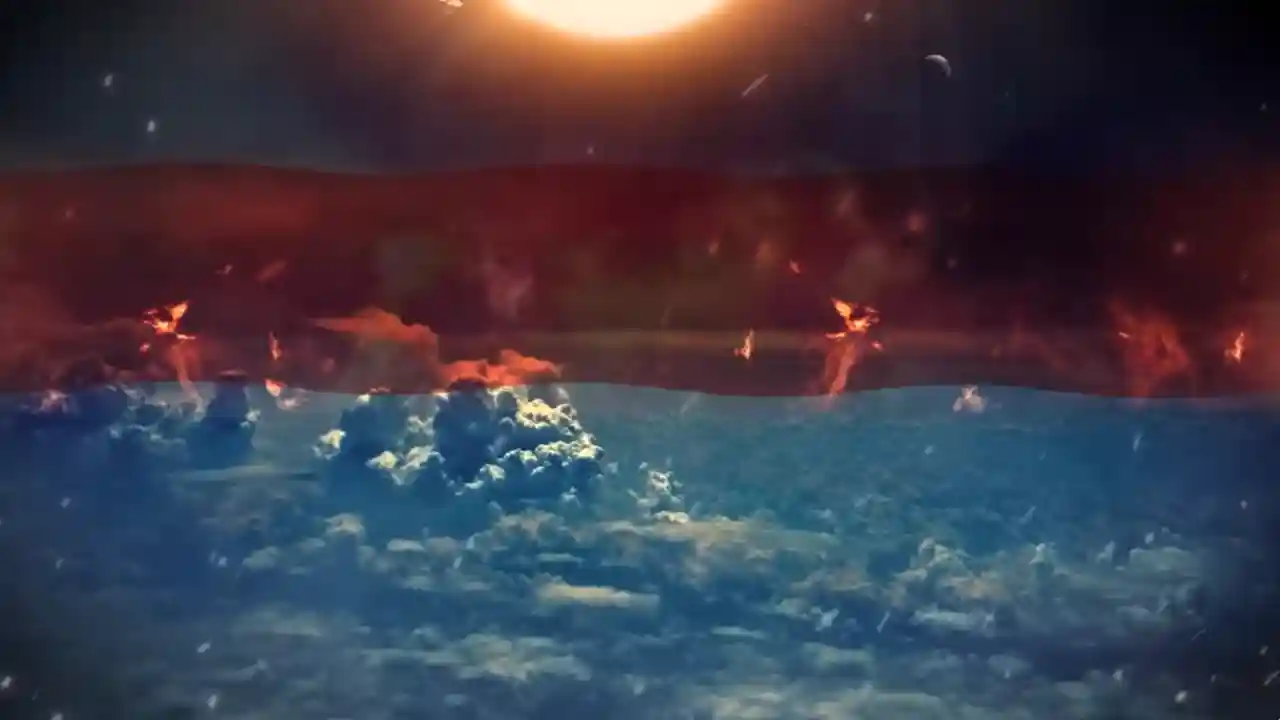
One famous storm is called the Great Dark Spot. It was first seen by Voyager 2 in 1989. It is similar to Jupiter’s Great Red Spot but is dark blue and changes shape over time. New storms appear, and old ones disappear, showing that Neptune’s weather is always changing.
Methane clouds move quickly across the sky, and scientists think lightning and diamond rain may fall deep inside the planet.
Does Neptune Have Rings?
Yes! Neptune has six faint rings made of ice and rock dust. These rings are very thin and hard to see. They are named Galle, Le Verrier, Arago, Adams, and two clumpy unnamed rings.
Some rings are held in shape by small moons nearby, which act like shepherds. The rings are not as bright as Saturn’s, but they still make Neptune a special and beautiful planet.
Neptune’s Moons: How Many Moons Does Neptune Have?
Neptune has 16 known moons, each with its own story.
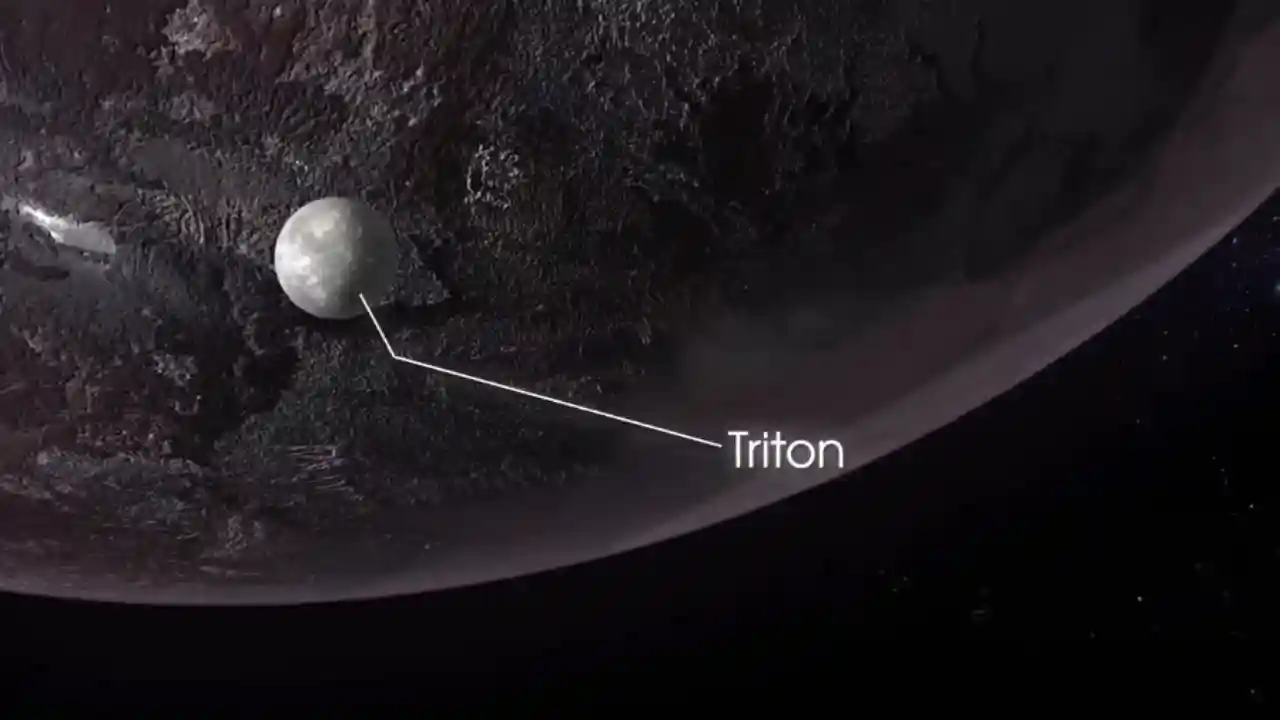
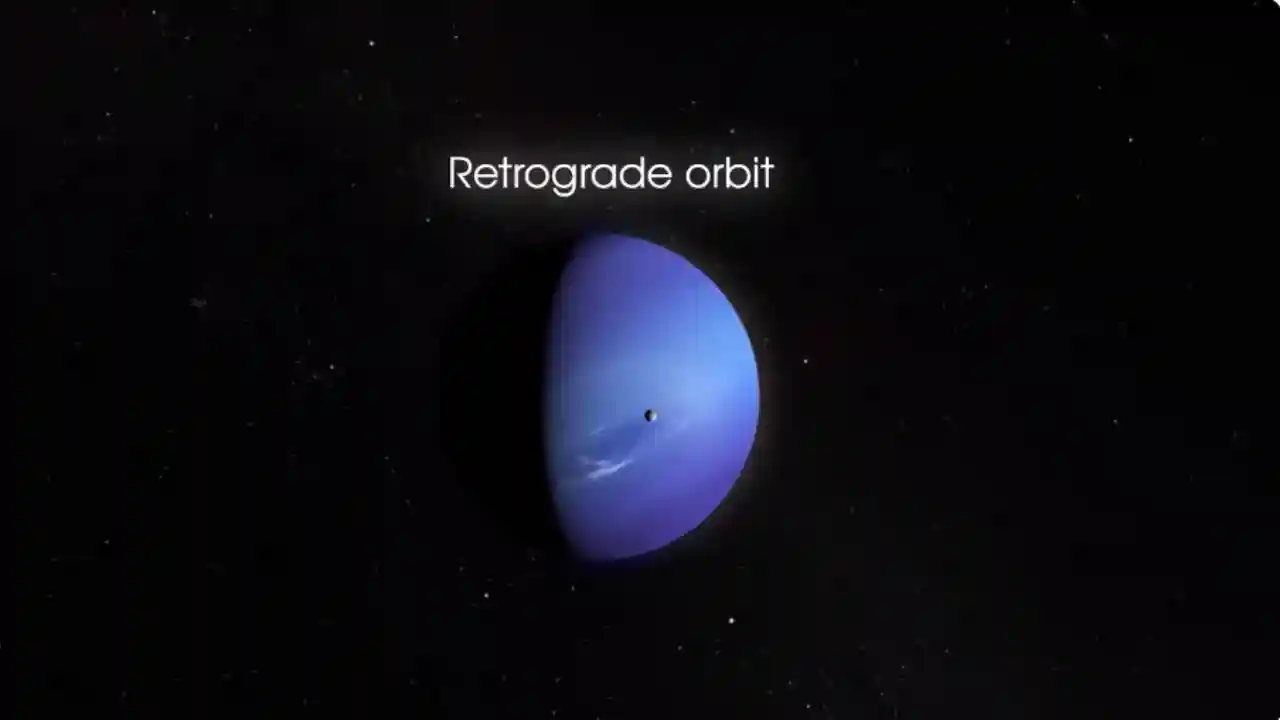
- The largest moon is Triton, discovered just weeks after Neptune itself in 1846. Triton is bigger than Pluto and orbits Neptune in a backward direction. Scientists think Triton was captured from the Kuiper Belt long ago. Triton also has nitrogen geysers, showing active volcanic activity.
- Other moons include Proteus, a potato-shaped moon, and Nereid, which has a very long and unusual orbit.
- The inner moons, like Naiad, Thalassa, Despina, Galatea, Larissa, and Hippocamp, help shape Neptune’s faint rings.
- The outer moons, like Neso, are irregular and take decades to orbit the planet.
These moons are exciting because some may have underground oceans or frozen surfaces that could hide life. Kids love imagining adventures on Triton or exploring the icy moons.
Voyager 2: Neptune’s First Space Visitor
Neptune has only been visited once by a spacecraft: Voyager 2. It flew by Neptune in 1989 at a speed of 96,000 km/h. Voyager 2 took thousands of pictures and discovered many of Neptune’s moons, rings, and storms.
Voyager 2 found Triton’s geysers, new moons, and the Great Dark Spot. It also discovered that Neptune has a magnetic field that is tilted and offset from the planet’s center. This unusual field traps charged particles and affects the planet’s atmosphere.
No spacecraft has orbited Neptune yet, but scientists hope future missions will explore its moons and rings in more detail.
Neptune’s Color and Atmosphere
Neptune is blue because of methane gas in the atmosphere. Methane absorbs red light and reflects blue light back into space. Its outer clouds are made of methane ice crystals, and deeper inside, it has slushy layers of water, ammonia, and methane ices.
Inside Neptune, the pressure is very high, and temperatures increase the deeper you go. Scientists think it might even rain diamonds deep inside!
Neptune’s Rotation and Seasons
Neptune spins quickly, making a day only 16 hours long. Its axis is tilted 28 degrees, giving it seasons like Earth. But because a year lasts 165 Earth years, each season lasts more than 40 Earth years!
The tilt also affects the poles. One pole may have continuous daylight for decades, then total darkness for decades. This creates extreme changes for Neptune’s weather and clouds.
Life on Neptune?
Neptune itself is too cold and windy for life as we know it. But Triton and other moons are interesting because they may have underground oceans or warmth caused by tidal forces. Scientists study these moons to see if any signs of life could exist there.
Watching Neptune from Earth
Neptune is far and faint, so it looks like a small blue dot in the sky. You need a telescope or binoculars to see it clearly. Apps and star charts can help track Neptune’s position.
Kids can also draw Neptune, make 3D models, or create quizzes to learn more about its moons and storms.
Fun Facts About Neptune
- Neptune has 16 moons.
- Winds can reach 2,100 km/h, the fastest in the solar system.
- Neptune is 30 times farther from the Sun than Earth.
- It has six faint rings of ice and rock dust.
- One day on Neptune is only 16 hours long.
- One year on Neptune is 165 Earth years.
- Its largest moon, Triton, orbits backward.
- The planet is a deep blue color.
- The Great Dark Spot is a giant storm on Neptune.
- Neptune is an ice giant made of ices, gases, and a rocky core.
Why Neptune is Important for Kids
Learning Neptune facts for kids teaches about extreme planets, ice giants, and how planets far from the Sun work. Neptune shows us that planets can be very different from Earth, with crazy winds, faint rings, and icy moons.
Neptune also inspires curiosity for future space missions. Maybe kids reading this today will be scientists exploring Neptune and its moons tomorrow.
Image Credits: All images are sourced from YouTube. Credits belong to the respective channel owners.
10 FAQs About Neptune Facts for Kids
Q: How many moons does Neptune have?
A: 16 known moons, led by Triton.
Q: What color is Neptune?
A: Deep blue because of methane in the atmosphere.
Q: How far is Neptune from the Sun?
A: About 4.5 billion kilometers or 30 times farther than Earth.
Q: What is Neptune made of?
A: Ice, gases like hydrogen and helium, and a rocky core.
Q: Does Neptune have rings?
A: Yes, six faint rings made of ice and dust.
Q: How fast are Neptune’s winds?
A: Up to 2,100 km/h, the fastest in the solar system.
Q: What did Voyager 2 discover?
A: Triton’s geysers, rings, new moons, the Great Dark Spot, and Neptune’s magnetic field.
Q: How long is a day on Neptune?
A: 16 hours.
Q: How long is a year on Neptune?
A: 165 Earth years.
Q: Can we see Neptune from Earth?
A: Yes, as a small blue dot with a telescope or binoculars.
Suggested Posts
Earth Planet Facts for Kids | Explore Our Blue and Green Home