Introduction
Planet Venus facts for kids are full of surprises and strange mysteries that make this bright planet very interesting to learn about. Venus is often called Earth’s “twin” because it is almost the same size, but in reality, Venus is one of the most extreme and dangerous planets in our solar system. This easy and friendly guide shares important planet Venus facts for kids in very simple English, so even young readers can read, understand, and enjoy learning.
Venus may look beautiful and shiny in the sky, but its surface and atmosphere tell a very different story. Let’s explore Venus step by step and discover why this planet is so special and mysterious.
Easy Venus facts for kids
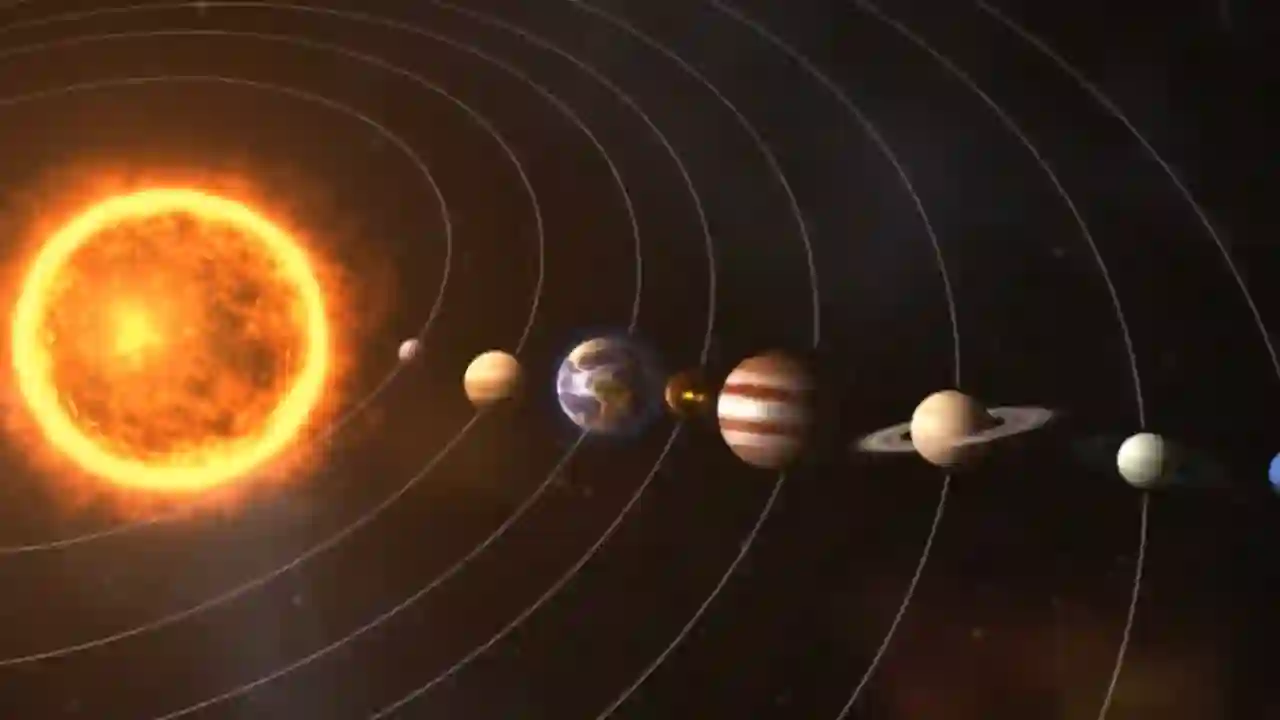
Venus is the second planet from the Sun. It sits between Mercury and Earth. Because Venus is quite close to Earth and has bright clouds that reflect sunlight, it often appears as a very bright object in the sky. Many people call it the “Morning Star” or the “Evening Star” because it can be seen just before sunrise or just after sunset.
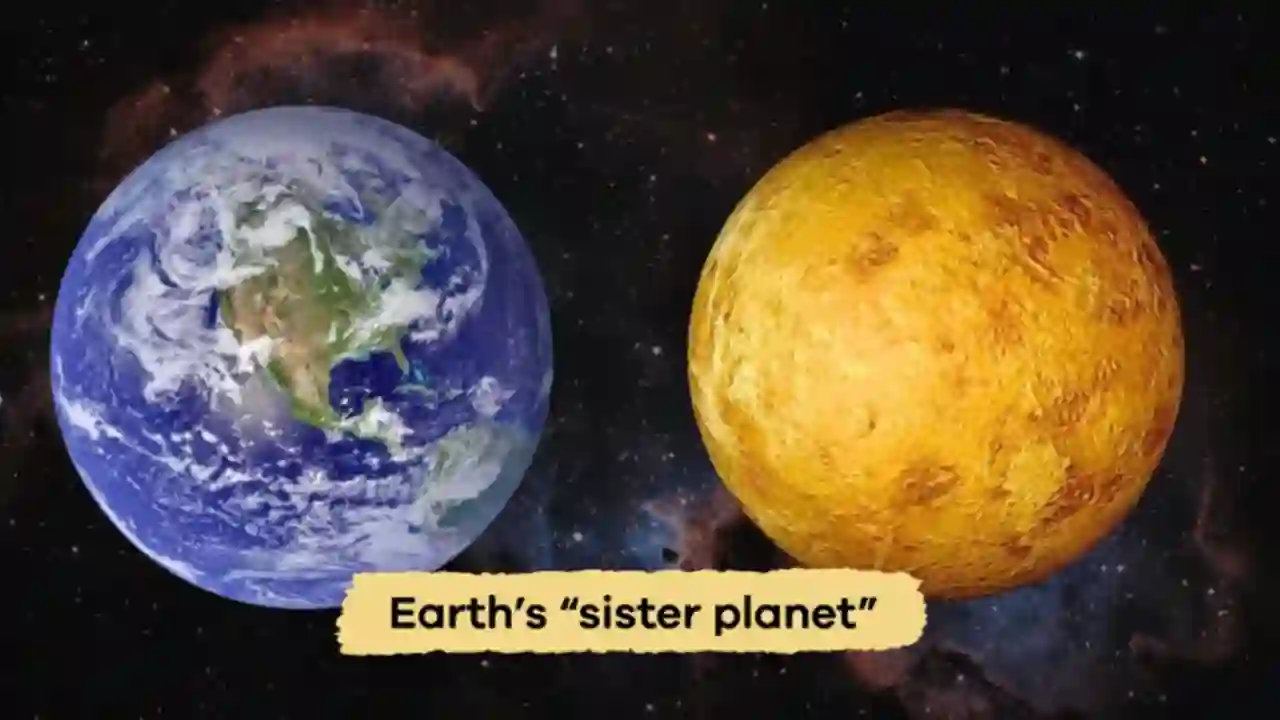
One of the most interesting planet Venus facts for kids is that Venus is almost the same size as Earth. This is why people sometimes call Venus Earth’s “sister planet” or “twin planet.” Even though they are similar in size, Venus and Earth are very different places.
Venus has a thick atmosphere, extreme heat, and very high pressure. These conditions make Venus a planet where humans cannot live or even stand on the surface with normal spacesuits. Learning Venus facts for kids helps children understand that planets can look similar from far away but be very different when we study them closely.
Planet Venus color and symbol
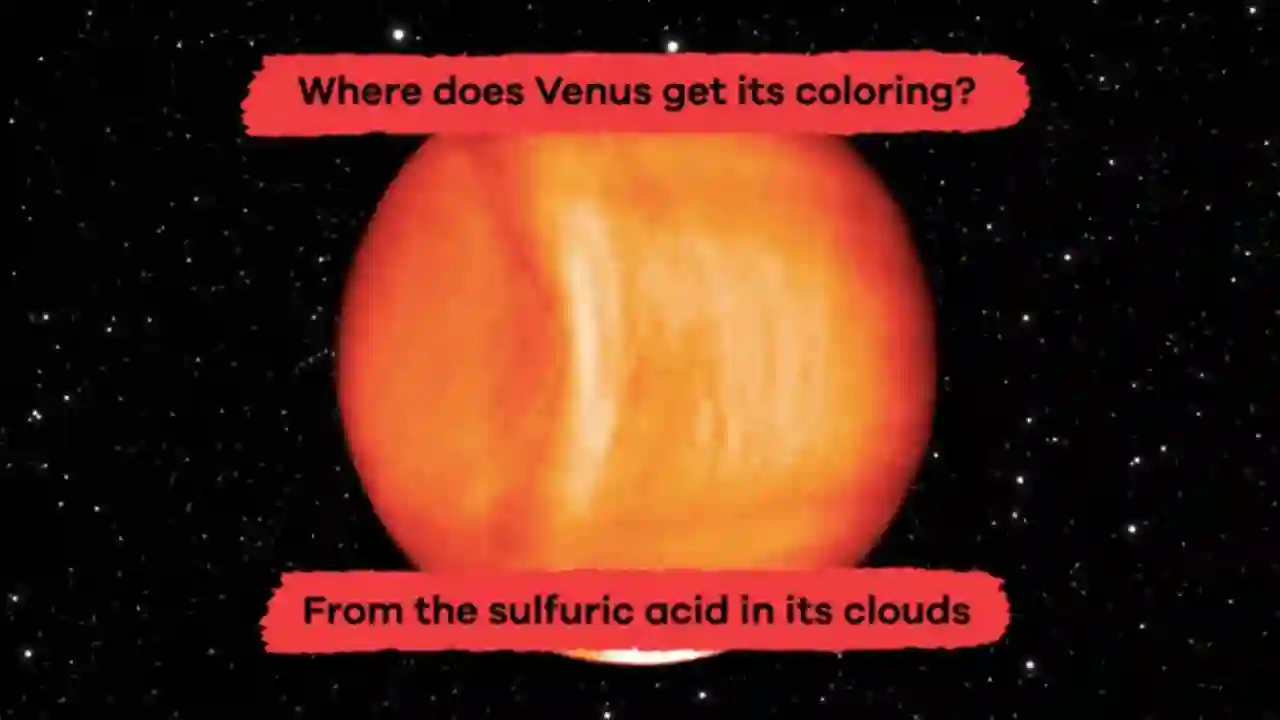
When we look at Venus from space or through a telescope, it does not look blue or green like Earth. Instead, Venus looks bright white or pale yellow. This color comes from its thick layer of clouds that completely cover the planet.
These clouds are very reflective, which means they bounce sunlight back into space. That is why Venus shines so brightly in the sky and is often the brightest planet we can see from Earth.
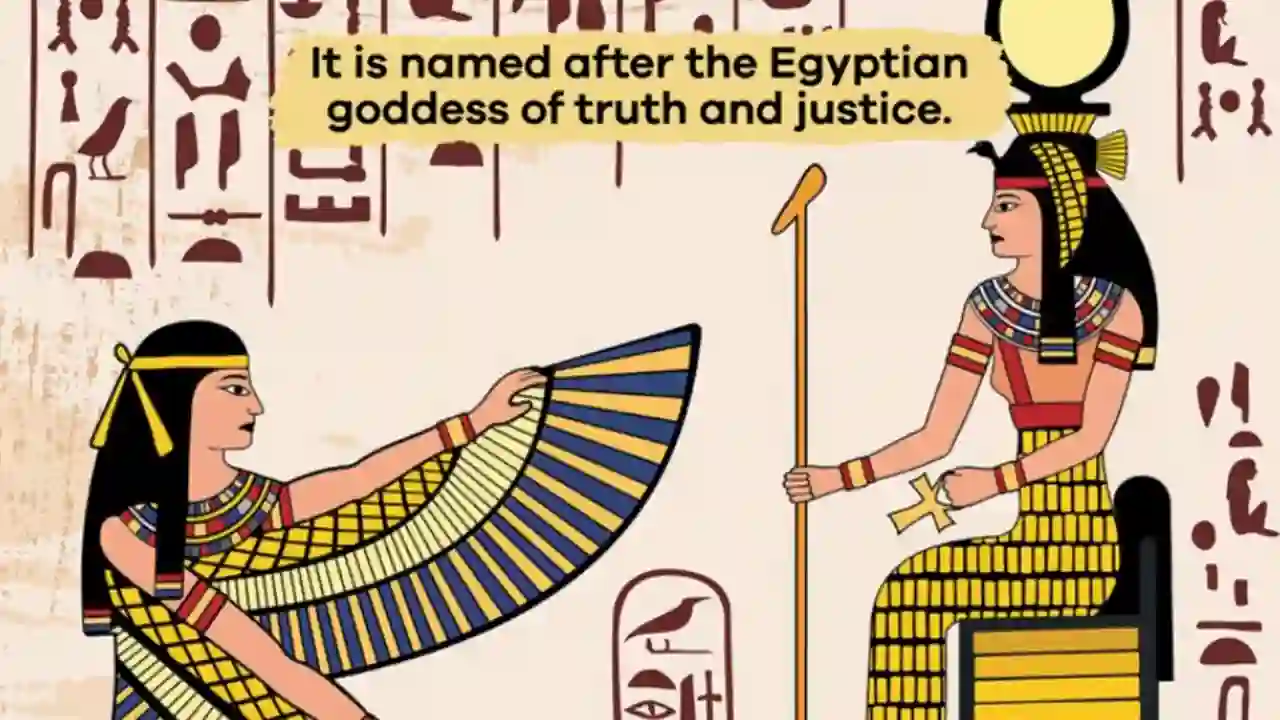
The Venus planet symbol is a circle with a small cross underneath it. Long ago, people named the planet after Venus, the Roman goddess of love and beauty. Because of this, the same symbol is also used in many places to represent the female gender. This symbol connects science, history, and culture in a simple and interesting way for kids.
Venus atmosphere composition
The atmosphere of Venus is one of its most important features. Venus atmosphere composition is very different from Earth’s atmosphere.
Most of the air around Venus is made of carbon dioxide. This gas traps heat very well. Venus also has thick clouds made of sulfuric acid. These clouds are toxic and very dangerous for humans, animals, and machines.
The atmosphere on Venus is much thicker and heavier than Earth’s. The air pressure on the surface of Venus is extremely strong. It is often compared to the pressure deep under Earth’s oceans. This heavy pressure is one reason why spacecraft that land on Venus can only survive for a short time.
Understanding Venus atmosphere composition helps kids learn how an atmosphere can change the temperature and conditions of a planet.
Venus planet surface conditions
Venus planet surface conditions are harsh and extreme. The surface of Venus is rocky and covered with plains, mountains, and many volcanoes. Scientists believe Venus has more volcanoes than any other planet in the solar system. Some of them may still be active today.
The ground of Venus is dry, hot, and dangerous. There is no liquid water on the surface. The sky is always cloudy, so the Sun is never clearly visible from the ground.
The air near the surface is full of toxic gases and is incredibly hot. The pressure is so strong that it could crush many objects. These Venus planet surface conditions make it one of the hardest planets to explore.
Why is Venus the hottest planet?
A common question in planet Venus facts for kids is why Venus is the hottest planet, even though Mercury is closer to the Sun.
Venus is the hottest planet because of something called the greenhouse effect. Venus has a very thick carbon dioxide atmosphere that traps heat. Sunlight can enter the atmosphere, but once the surface heats up, the heat cannot easily escape back into space.
Because of this, Venus becomes hotter and hotter. The surface temperature is hot enough to melt lead. This is why Venus is hotter than Mercury, even though Mercury is closer to the Sun.
Greenhouse effect on Venus (simple explanation)
The greenhouse effect on Venus can be explained in a very simple way for kids.
First, sunlight reaches Venus and warms the planet’s surface.
Next, the surface tries to send the heat back into space.
But the thick carbon dioxide atmosphere traps the heat.
This trapped heat keeps building up, making Venus extremely hot all the time.
On Earth, the greenhouse effect helps keep our planet warm enough for life. On Venus, the greenhouse effect is too strong, turning the planet into a super-hot world. This is an important lesson about how powerful an atmosphere can be.
Venus rotation: slow and backwards
One of the strangest planet Venus facts for kids is how Venus spins.
Venus rotation is very slow, and it is also backwards. Scientists call this “retrograde rotation.” This means Venus spins in the opposite direction compared to most planets, including Earth.
On Venus, one full day is longer than one full year. A Venus day is the time it takes the planet to spin once. A Venus year is the time it takes to travel around the Sun. Venus spins so slowly that it finishes one trip around the Sun before it finishes one full spin.
If someone could stand on Venus safely, the Sun would appear to rise in the west and set in the east, which is the opposite of what happens on Earth.
Venus weather and surface temperature
Venus does not have weather like Earth with rain, snow, or seasons that change a lot. Venus weather is mostly the same all the time.
High above the surface, strong winds race around the planet very quickly. These winds can travel all the way around Venus in just a few days. However, near the ground, the air is heavy and slow.
The Venus surface temperature stays extremely hot day and night. Because thick clouds block sunlight, there is not much difference between daytime and nighttime temperatures. Venus is always hot, no matter the time.
Venus missions history – Planet Venus facts for kids
Venus missions history shows that scientists have been interested in Venus for a very long time. Venus was one of the first planets explored by spacecraft.
Different space agencies have sent missions to Venus. Some spacecraft flew past Venus, some orbited around it, and some even landed on the surface. The landers that reached the surface sent back pictures and data, but they only worked for a short time because of the heat and pressure.
These missions helped scientists learn about Venus’s clouds, atmosphere, surface, and volcanoes. Venus missions history is an important part of space exploration.
Venus exploration challenges
There are many Venus exploration challenges that make this planet hard to study.
- The temperature on Venus can destroy electronics quickly.
- The strong pressure can crush spacecraft.
- The acidic clouds can damage materials.
Because of these problems, many missions study Venus from space instead of landing. Scientists are still working on new technology that could survive longer on Venus in the future.
Venus facts for kids recap
Here is a simple recap of important Venus facts for kids:
- Venus is the second planet from the Sun.
- It is almost the same size as Earth.
- Venus looks bright white or pale yellow because of thick clouds.
- Its atmosphere is mostly carbon dioxide with acidic clouds.
- Venus is the hottest planet in the solar system.
- The surface is rocky and full of volcanoes.
- Venus rotates very slowly and backwards.
- Exploring Venus is very difficult because of heat and pressure.
These planet Venus facts for kids show how unusual and fascinating Venus really is.
Conclusion
Planet Venus facts for kids reveal a world that looks bright and beautiful from far away but is extreme and dangerous up close. Venus’s thick atmosphere, powerful greenhouse effect, slow backwards rotation, and scorching surface temperatures make it one of the most mysterious planets in our solar system.
By learning planet Venus facts for kids, children can understand how planets change over time and why Earth is such a special place to live. Venus teaches us important lessons about atmospheres, climate, and space exploration, making it an exciting planet to study.
Credit: Video and images sourced from the YouTube video referenced above. All rights belong to the original creator. Learn Bright
10 FAQs about planet Venus facts for kids
What is Venus?
Venus is the second planet from the Sun and is similar in size to Earth, but it has very different and extreme conditions.
Why is Venus the hottest planet?
Venus is the hottest planet because its thick carbon dioxide atmosphere traps heat through a strong greenhouse effect.
What color is planet Venus?
Venus looks bright white or pale yellow because its thick clouds reflect sunlight.
What is Venus’s atmosphere made of?
Venus atmosphere composition is mostly carbon dioxide, with clouds of sulfuric acid.
What is the surface of Venus like?
Venus planet surface is rocky, very hot, and under strong pressure, with many volcanoes.
What does the Venus planet symbol mean?
The Venus planet symbol is linked to the Roman goddess Venus and is also used as a symbol for females.
How does Venus rotate?
Venus rotation is slow and backwards, meaning it spins in the opposite direction of most planets.
What is the greenhouse effect on Venus?
The greenhouse effect on Venus traps heat in the atmosphere, making the planet extremely hot.
Have spacecraft visited Venus?
Yes, many missions have studied Venus using flybys, orbiters, and landers.
Why is Venus hard to explore?
Venus exploration challenges include extreme heat, crushing pressure, and acidic clouds.
Suggested Posts
Jupiter Facts for Kids – Biggest Planet in the Solar System
Mars Facts for Kids – The Red Planet
Saturn Facts | Learn About Moons, Rings & Planet Wonders
Neptune Facts for Kids: Explore the Farthest Planet and Its Moons